qualicum first nation
engagement, Communications Planning & comprehensive community planning (CCP)
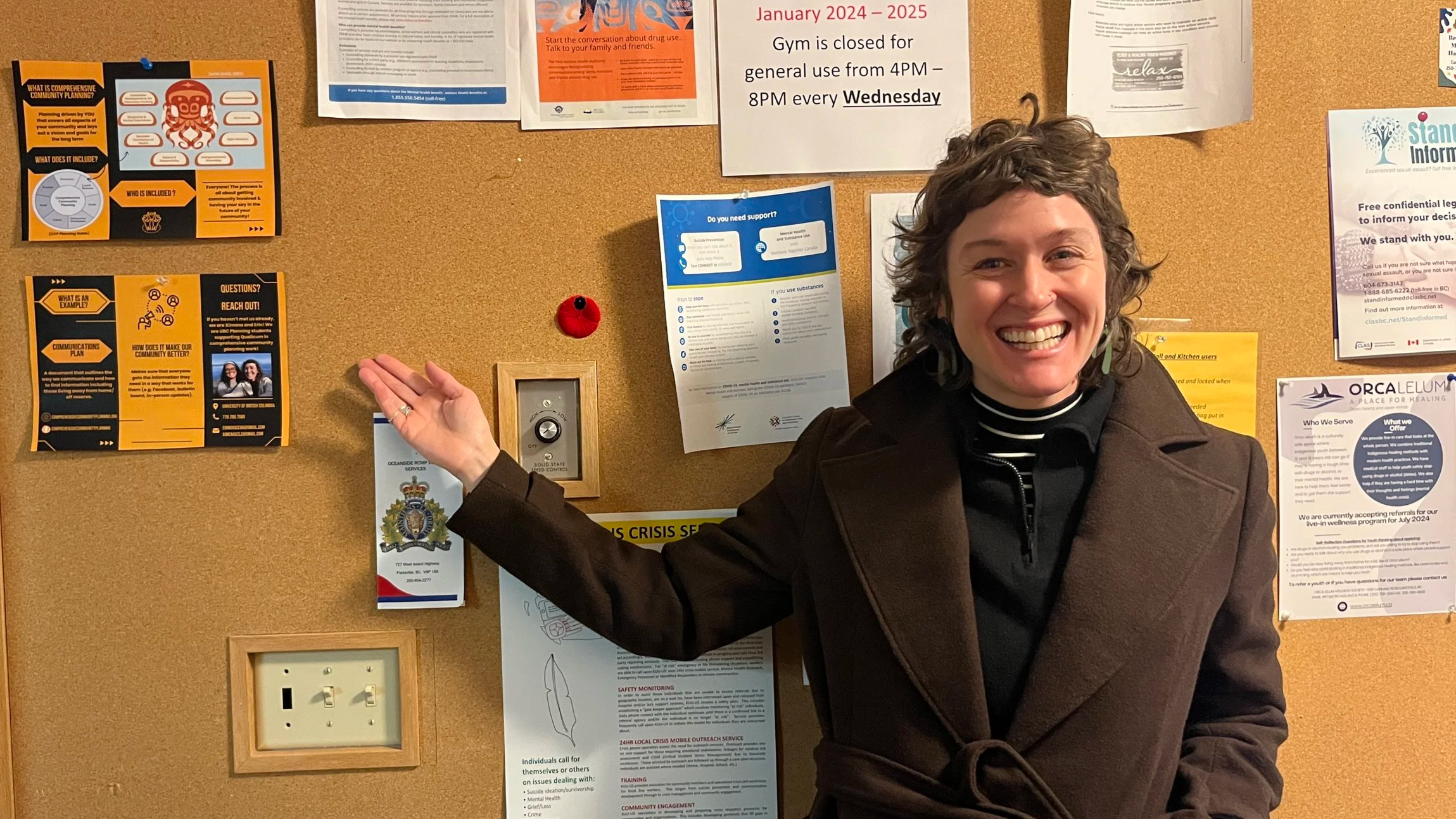
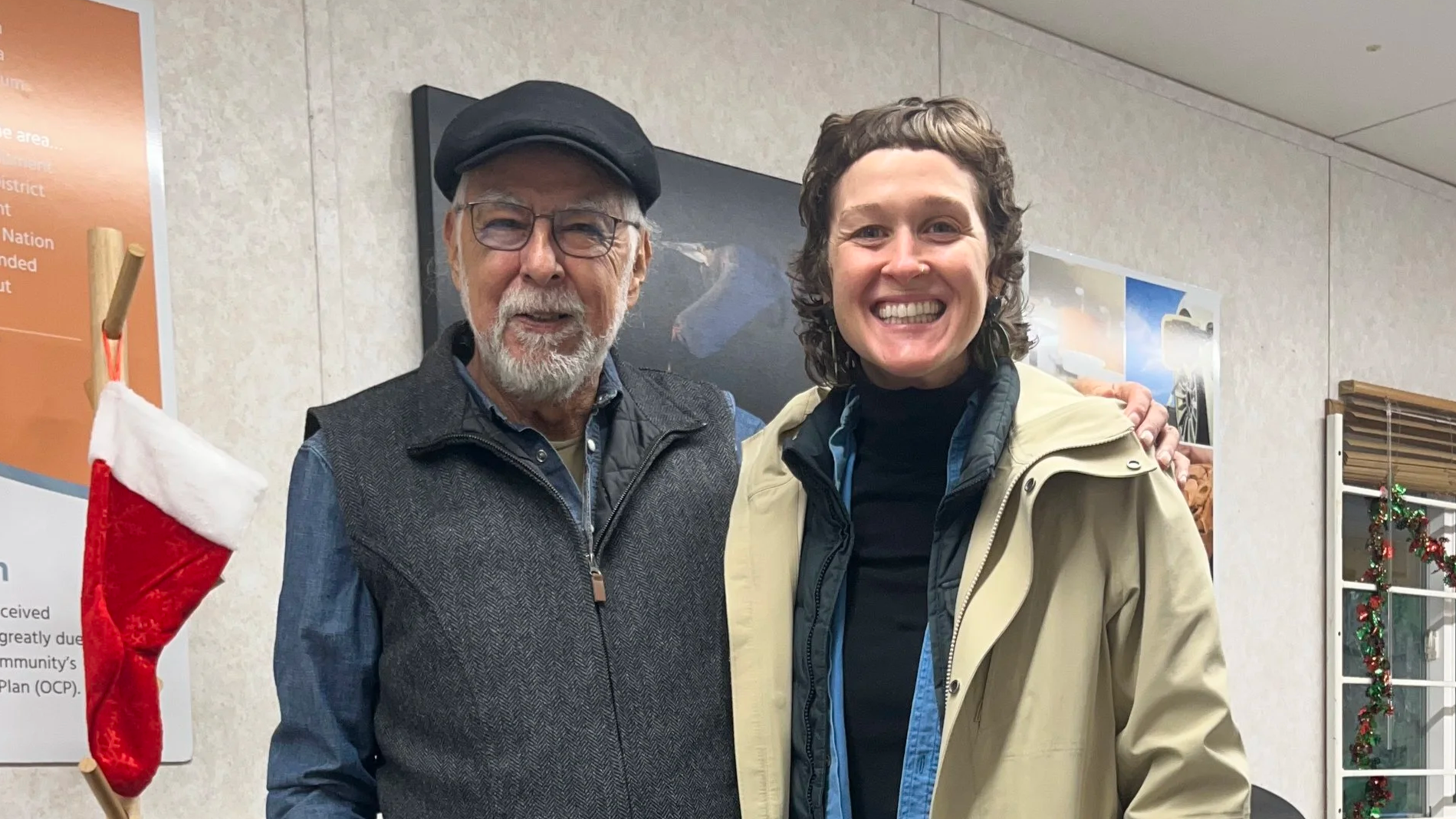
As part of the fulfilment of my Master’s of Planning, I completed an 8-month practicum with Qualicum First Nation on southern Vancouver Island, British Columbia. My practicum partner and I spent a significant amount of time getting to know the community through building relationships based on trust.
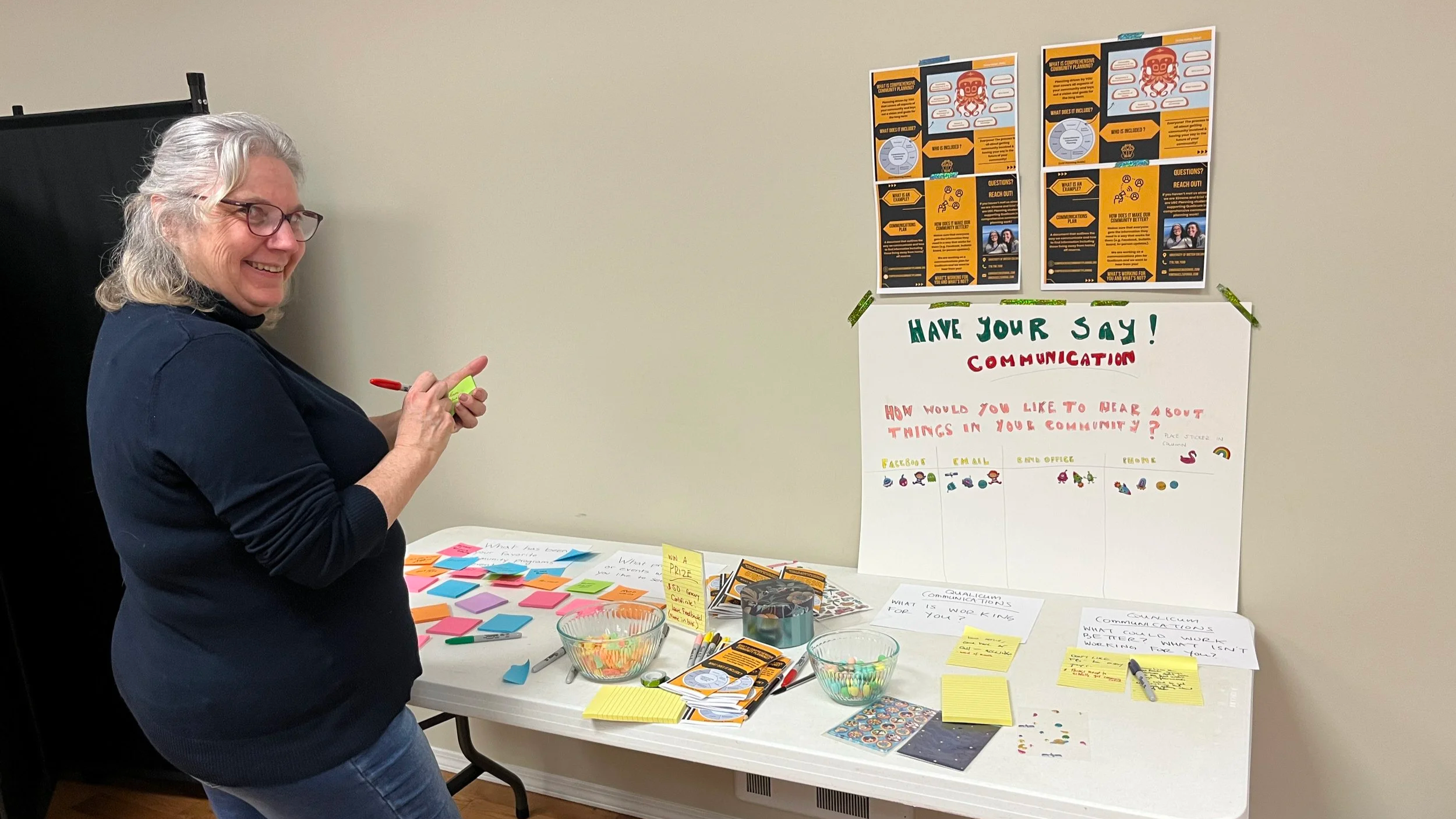
We conducted formal and informal engagement sessions, learning from the community that communications was an area of focus. From this we produced a culturally informed Communications Plan complete with easy to implement recommendations.
first nations infrastructure institute (FNII)
Engagement, infrastructure planning, data analysis
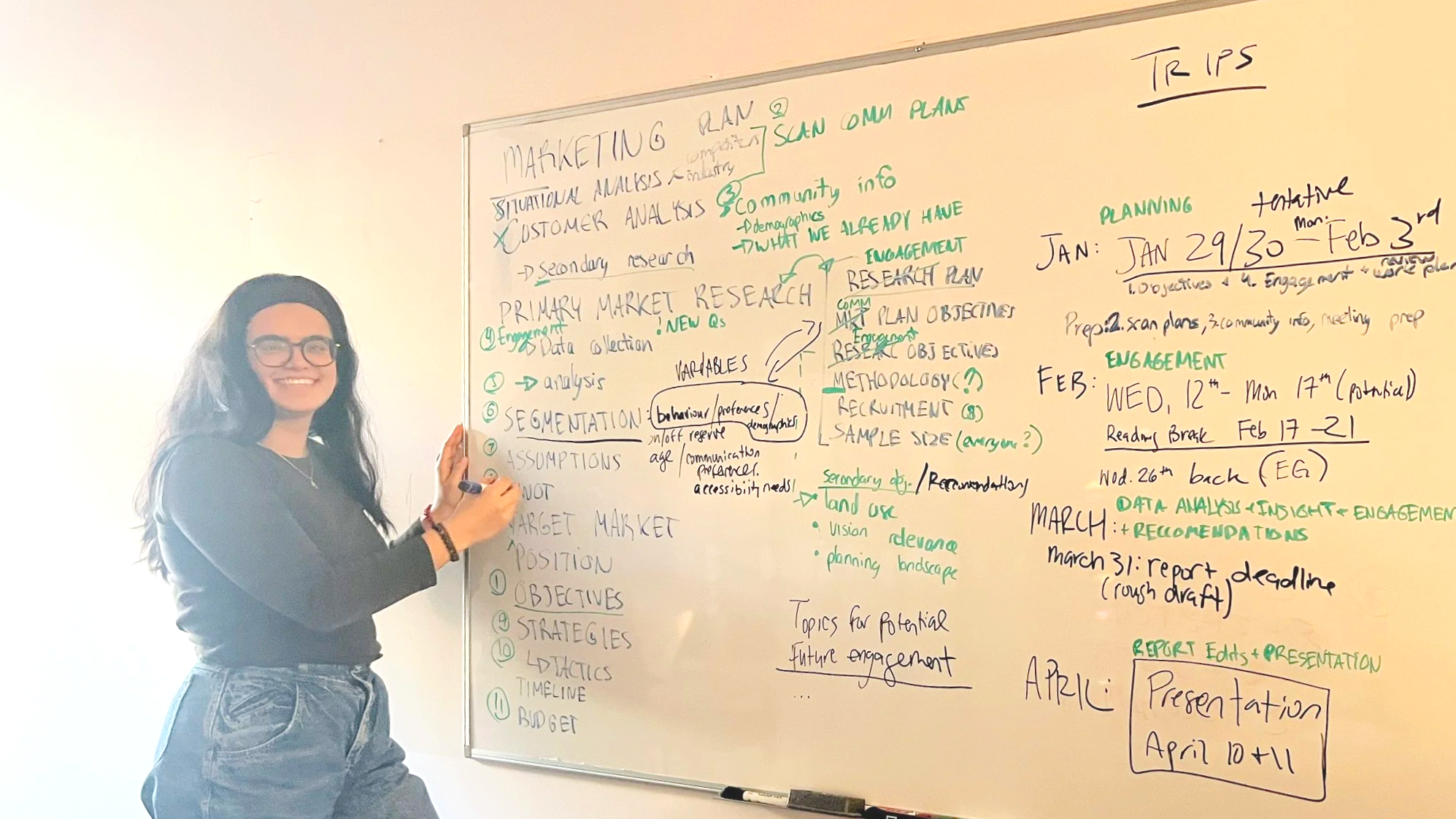
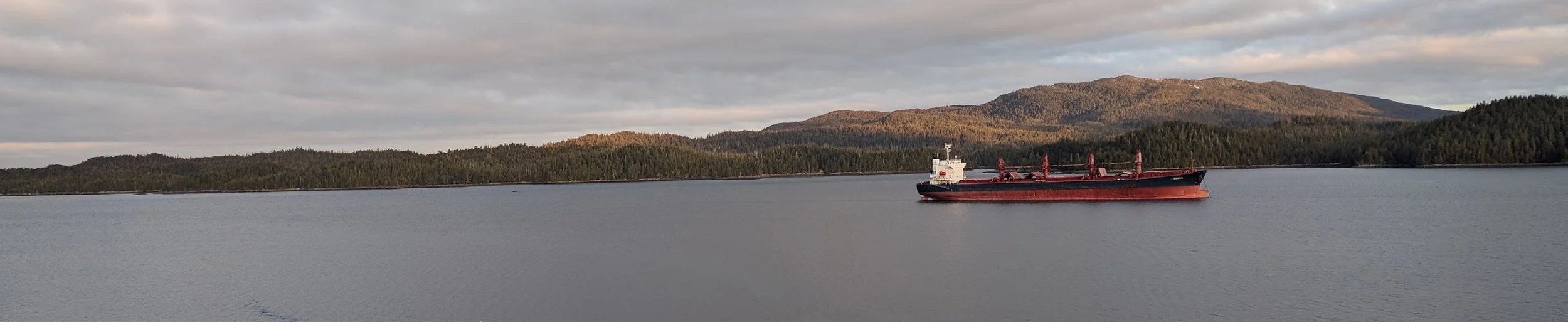
I am currently working with the First Nations Infrastructure Institute (FNII) supporting in engagement, planning, research and data analysis around infrastructure. This involves supporting First Nations and Indigenous organizations to navigate the complexities around infrastructure financing, procurement, and project management, ensuring projects are completed on time and on budget.

first nations fisheries council (FNFC)
Engagement, First Nations fisheries, natural resource management
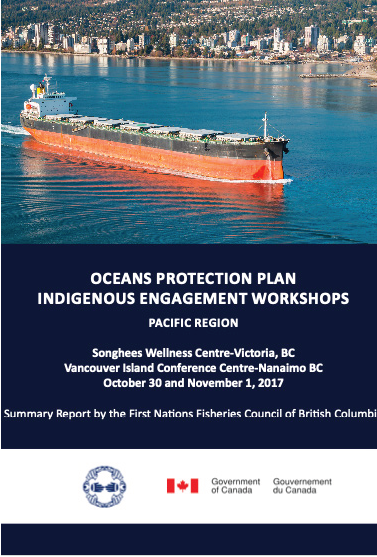
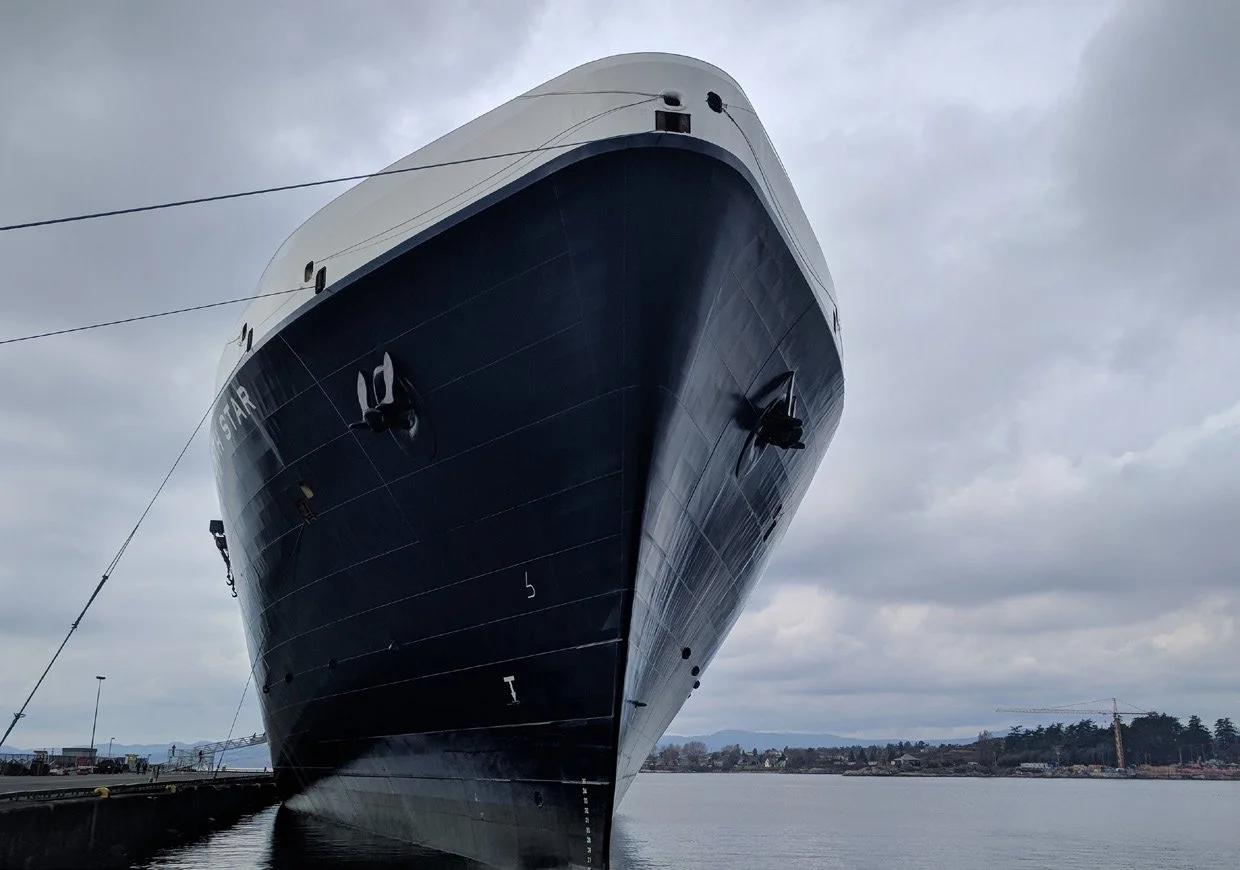
I worked with the First Nations Fisheries Council (FNFC) in 2018 supporting and attending engagement sessions with First Nations across BC on fisheries, marine, and natural resource management issues. This work was complex and required a significant amount of travel across BC, while also supporting report writing, communications, and event planning. Relationship building was central to this role.
CLiMATE ACTiON PLAN ANALYSiS
research, writing, critical analysis just transition
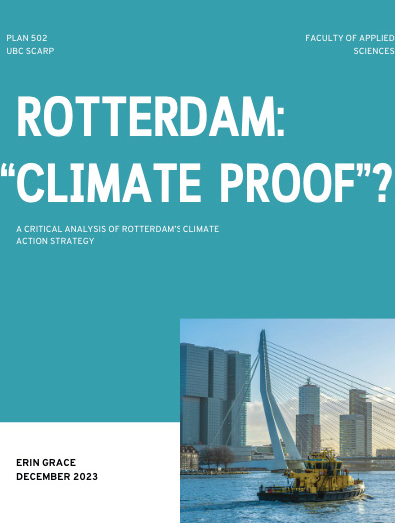
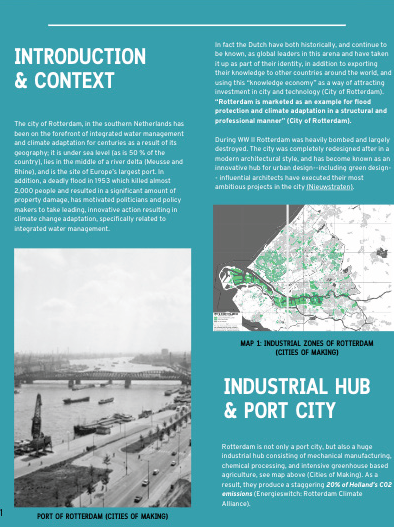
Rotterdam:“Climate Proof”?: A critical analysis of Rotterdam’s climate action strategy
In my first year of graduate school, I took a class on Sustainability and Resilience in Planning, where we critically examined global climate policy and how concepts of sustainability and resilience shape planning practices. Our deliverable was a critical analysis of a global city’s climate plan. I chose Rotterdam, Netherlands, and critiqued not only the gaps in effective adaptation and mitigation but also the social implications of these policies, specifically green or “climate” gentrification and the displacement of vulnerable communities.
In conclusion I offered recommendations, arguing that “Rotterdam must first acknowledge that their adaptation measures are resulting in green gentrification and displacing communities, and start working towards a just transition for all.”
FiELD SEMiNAR: the ethical role of planners
ethnographic research, community engagement, planning
AHMEDABAD, INDiA
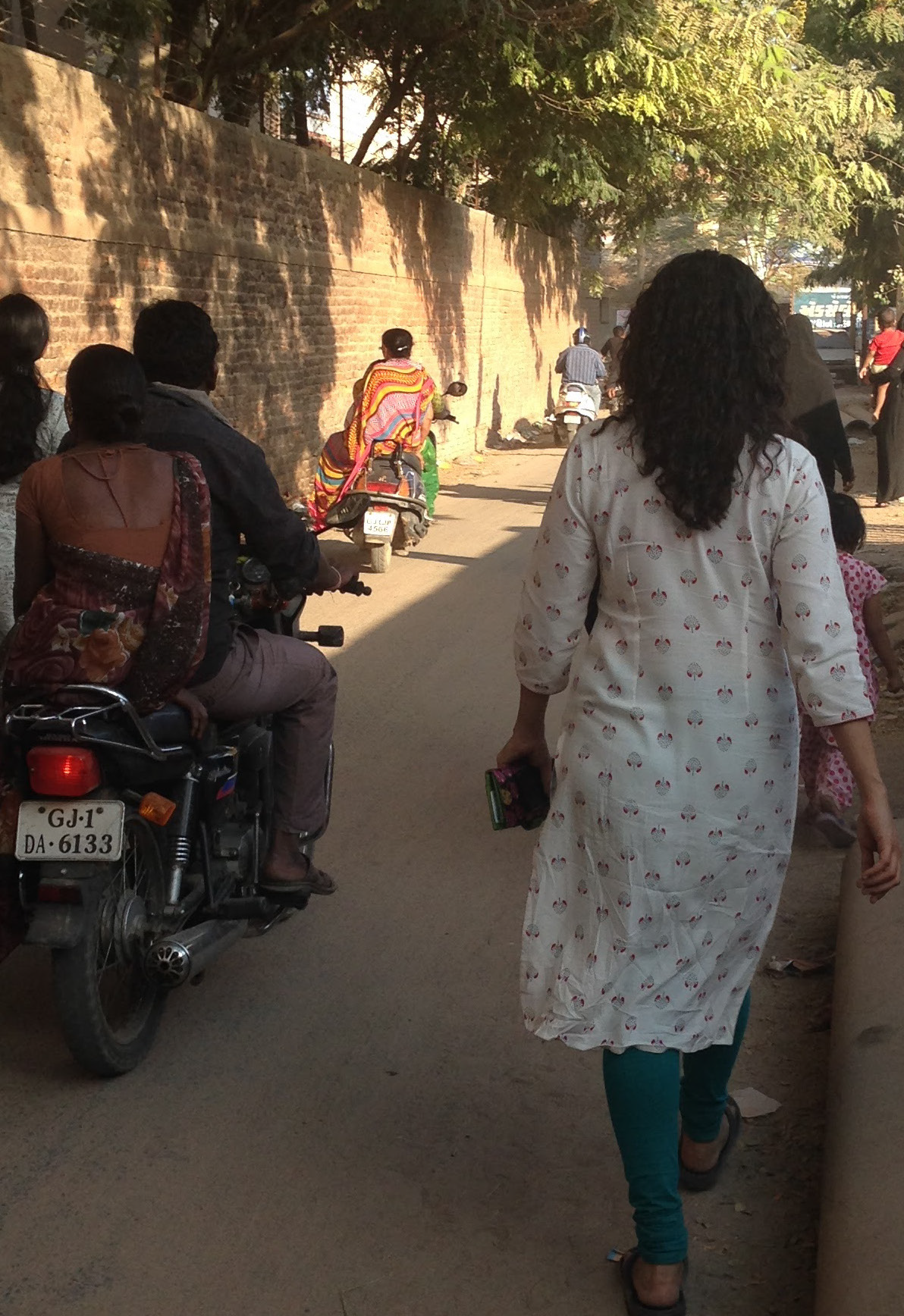
In 2015, I went to Ahmedabad, India, on a Go Global field seminar with SCARP and CEPT University. Our research question focused on the ethical role of planners in the Indian context. We organized various community engagement events to build trust with a marginalized Muslim community on the outskirts of Ahmedabad. We conducted semi-structured interviews with community members and worked collaboratively with CEPT students on this project; they also assisted with translation. Finally, we analyzed the data, composed a research report, and presented it to a SCARP/CEPT panel offering recommendations that centered planning equity.